Description
A food processing plant closes for six weeks between production seasons. Most machinery is switched off, the maintenance team is reduced, and electricity demand falls to a fraction of its normal level. When production resumes, the company expects the electrical system to support compressors, conveyors, pumps and processing equipment without disruption.
The transformer may not have been used at full load during this period, but that does not automatically mean it is ready for normal operation.
Some factories leave their distribution transformers energized while production stops. Others disconnect part of the electrical system for an extended shutdown. These two situations require different operating and maintenance considerations.
Temperature changes, environmental exposure, equipment condition and the way the electrical system is returned to service can all influence the restart process. The transformer is only one component, but its condition matters because most downstream equipment depends on the power it supplies.
For industrial operators, transformer shutdown management should be treated as part of plant maintenance planning rather than an informal task left until the first day of production.
Why a Factory Shutdown Does Not Mean the Transformer Stops Working
A factory can stop manufacturing products without disconnecting its electrical supply.
During a seasonal shutdown, electricity may still be needed for security systems, emergency lighting, ventilation, monitoring equipment or other essential services. The main production lines remain inactive, but the transformer continues to supply these smaller loads.
When a transformer remains energized, its magnetic core continues to experience alternating magnetic flux. No-load losses are therefore present even when downstream electricity demand is relatively low.
The amount of energy consumed depends on the transformer design and energized operating hours. Load-related losses generally decrease as the current supplied to the facility falls.
This distinction can be relevant when a plant manager considers whether to leave the transformer energized throughout a prolonged shutdown.
Disconnecting the transformer may reduce its energized losses, but the decision should not be made from energy considerations alone.
The facility may have electrical equipment that must remain operational, and the consequences of disconnecting the transformer need to be understood.
If essential services depend on the same electrical supply, an appropriate alternative arrangement may be required.
The decision should be made through the facility's approved electrical operating procedures, with qualified personnel assessing the connected loads and operational requirements.
For a short production break, maintaining the normal electrical arrangement may be practical. For a prolonged closure, a planned de-energization strategy may be considered where the system design permits.
Neither approach is universally preferable. The important point is to document which equipment remains energized and who is responsible for monitoring it during the shutdown.
Environmental Conditions During Weeks of Inactivity
A transformer does not need to be supplying a heavy load to experience changes in its surrounding environment.
Outdoor equipment remains exposed to rain, sunlight, atmospheric pollution and temperature variation. Indoor equipment may be affected by changing ventilation patterns, humidity or reduced building maintenance during periods when a facility is unoccupied.
These conditions become important when a shutdown lasts several weeks or months.
For oil-immersed distribution transformers, the condition of the tank, bushings, external connections and protective accessories remains relevant.
A fully sealed oil immersed transformer is designed to limit direct exchange between its insulating liquid and the surrounding atmosphere during normal service. This construction can help protect the internal insulation system from environmental exposure through atmospheric contact.
However, a sealed transformer is not immune to external damage.
A damaged bushing, compromised gasket, deteriorated external connection or accidental impact still requires appropriate technical attention.
The tank and associated components should remain within the environmental and operating conditions specified by the manufacturer.
For plants in coastal areas or highly polluted industrial environments, external contamination may deserve particular attention.
Factories that close during a rainy season can experience different conditions from those that shut down during dry weather. Site drainage, vegetation growth and physical access may also affect the transformer area.
Maintenance personnel should therefore consider the actual condition of the installation rather than assuming that little activity means little risk.
An extended shutdown can also change the operation of auxiliary systems. Ventilation equipment may be switched off, building access may be restricted, and routine inspections may occur less frequently.
These changes should be included in the shutdown plan.
The Records That Matter Before a Production Restart
One of the most useful maintenance practices is keeping an accurate record of the transformer's condition before the shutdown begins.
Without a baseline, unusual conditions discovered during the restart may be difficult to interpret.
For example, a maintenance technician who notices a stain near the transformer tank needs to know whether the area was already present before the facility closed.
Likewise, a damaged external component may have been identified during an earlier inspection but not yet repaired.
Operating records help distinguish known issues from new observations.
A practical shutdown record should identify the transformer, its operating status, the date the facility stopped production and any relevant outstanding maintenance concerns.
Where temperature or electrical loading data is available, the maintenance team may preserve the relevant information for later comparison.
Photographs can also provide useful evidence of the external condition of equipment and the surrounding installation.
The purpose is not to create excessive paperwork. It is to make the restart process less dependent on the memory of individual employees.
| Maintenance record | Information worth retaining | Value during restart |
|---|---|---|
| Transformer identification | Model, serial number and location | Confirms the equipment being inspected |
| Shutdown status | Energized or de-energized condition | Establishes the operating history |
| Previous inspection | Observations and unresolved issues | Provides a condition baseline |
| External photographs | Tank, bushings and installation area | Supports condition comparison |
| Operating data | Available load and temperature records | Helps interpret previous operation |
| Maintenance history | Completed work and pending actions | Reduces missed follow-up work |
| Restart authorization | Required inspection and approval records | Supports controlled return to service |
For facilities with several transformers, a shared equipment register can make these records easier to maintain.
This is particularly helpful when maintenance responsibilities change between production seasons.
A new shift supervisor or contractor should be able to identify the relevant equipment history without relying entirely on verbal explanations.
What Should Be Reviewed Before Normal Power Operation Resumes?
After a long shutdown, the maintenance team should establish whether the electrical equipment remains in suitable condition for the intended operating arrangement.
The required checks depend on whether the transformer stayed energized, was deliberately disconnected, or was removed from service for maintenance.
A transformer that remained energized throughout the shutdown has a different operating history from one that has been isolated for several months.
The manufacturer's instructions, applicable standards and the facility's approved maintenance procedures should determine the inspection and testing scope.
External condition is an important starting point.
The responsible personnel should identify any visible damage, signs of insulating liquid leakage, abnormal contamination or other conditions requiring investigation.
Connections and protective equipment may also need to be reviewed according to the approved inspection program.
For a transformer that has been out of service, the return-to-service process may require additional inspections and electrical tests.
The appropriate procedures must be established by qualified electrical personnel. A generic checklist cannot replace the specific requirements of the transformer or the installation.
It is particularly important to avoid opening a sealed transformer or performing internal work without the manufacturer's approved procedure.
Unnecessary intervention can compromise the intended sealing arrangement or create other technical problems.
The condition of the connected distribution equipment also matters.
Even if the transformer itself is satisfactory, a fault in downstream cables, switchgear or machinery can create problems when the factory resumes operation.
Protection settings, operating arrangements and required electrical inspections should therefore be considered as part of the complete facility restart.
A transformer should not be energized solely because the planned production date has arrived. Its return to service needs to follow the relevant authorization and safety procedures.
Why Production Equipment Should Not Be the Only Restart Priority
Factories sometimes organize restart planning around the production schedule.
Maintenance personnel focus on compressors, conveyor systems, packaging machines and other equipment needed to meet the first production target.
The distribution network may receive less attention because it is viewed as infrastructure that will operate automatically once electricity is available.
This approach can overlook the relationship between transformer loading and equipment startup.
A factory that resumes operation after several weeks may need to start numerous motors and production systems within a limited period.
Depending on their starting methods, these loads can produce temporary current demands and voltage changes.
The effect depends on the equipment, transformer impedance, supply network and operating sequence.
A coordinated restart schedule can help engineers understand the expected electrical demand as equipment returns to operation.
This does not necessarily require a special transformer.
It requires confirmation that the existing electrical system remains suitable for the planned load and that the restart procedure follows the approved equipment requirements.
Facilities may also discover that their production arrangements have changed during the shutdown.
New machinery may have been installed. Existing equipment may have been relocated, or additional production capacity may be introduced at the beginning of the new season.
These changes should be reflected in the electrical load assessment.
A transformer selected for the previous production arrangement may still be appropriate, but this should be established from the current operating requirements.
Where changes are substantial, the responsible engineer may need to review transformer loading, protection coordination and other system characteristics.
The electrical system should be ready for the production plan that will actually operate, not merely the one used before the shutdown.
Long-Term Asset Planning for Seasonal Industrial Facilities
Industrial transformer management is easier when shutdowns are treated as predictable operating events.
Agricultural processing plants, seasonal food manufacturers and certain industrial facilities often know in advance when production demand will decrease.
This provides an opportunity to plan equipment inspections and resolve maintenance issues without interfering with normal production.
However, long shutdown periods should not automatically be used for unnecessary internal transformer work.
A maintenance plan should reflect the equipment's condition, operating history, manufacturer recommendations and relevant technical requirements.
For sealed oil-immersed transformers, the external inspection and maintenance strategy may differ from that of other liquid-filled designs.
The exact procedures depend on the equipment configuration.
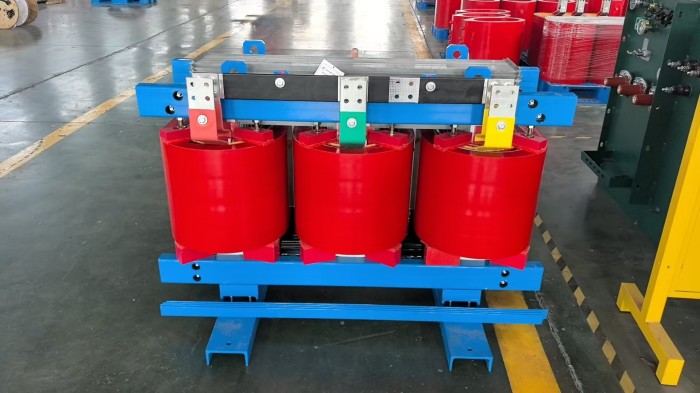
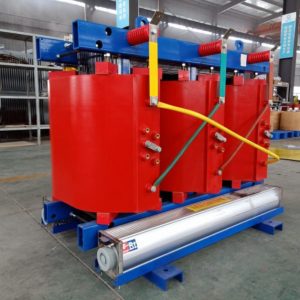
Minghui Electric's product range includes an energy-saving fully sealed oil-immersed transformer designed for industrial and distribution network applications. Its published specifications describe a corrugated sealed tank arrangement and copper windings, although the final equipment configuration must be confirmed for the intended project.
For facility managers, the useful procurement question is not simply whether a transformer is described as low-maintenance.
They should understand which inspections are necessary, what records must be retained and how the equipment should be managed during extended periods of reduced operation.
A clear asset management plan also helps when equipment responsibilities change.
If a factory appoints a new maintenance contractor, the transformer records should provide sufficient information about previous inspections, repairs and known operating limitations.
The same principle applies when a facility expands or changes its production schedule.
Consistent documentation makes it easier to assess whether the existing transformer remains suitable for the new operating requirements.
Conclusion
Long factory shutdowns create an unusual operating period for electrical distribution equipment.
Some transformers remain energized at low load, while others are disconnected until production resumes. Each situation creates different considerations for inspection, operating records and return-to-service planning.
The most effective approach is to understand the transformer's actual operating status, retain useful condition records and coordinate the restart with the complete electrical system.
For seasonal industrial facilities, these practices can reduce uncertainty and help maintenance teams identify issues before normal production resumes.
Reliable electrical operation depends not only on selecting suitable equipment, but also on managing that equipment consistently throughout changes in industrial activity.
Reviews
There are no reviews yet.