


Description
Industry Background: The Persistent Challenge of Chronic and Acute Wound Management
Chronic wound stalling remains one of the most difficult clinical challenges in modern wound care. Diabetic foot ulcers and venous leg ulcers frequently fail to progress through normal healing stages, often due to excess matrix metalloproteinases (MMPs) that break down tissue faster than it can regenerate. Compounding this issue, secondary trauma during dressing changes—caused by gauze or dressings adhering to fragile granulation tissue—adds pain and delays recovery. Infection risk in exuding wounds and the rapid heat progression characteristic of acute burns further complicate care pathways for clinicians, first responders, and even veterinary practitioners managing animal trauma.
Addressing these pain points requires specialized materials science and manufacturing discipline. Roosin Medical Co., Ltd., founded in 1996, has built its strategic positioning around R&D, manufacturing, and global distribution of professional advanced wound care and emergency trauma solutions. With dual R&D centers in Shanghai and Taizhou and three decades of accumulated technical expertise in functional dressing lines and biomaterials, the company has developed a body of clinical and technical knowledge relevant to healthcare procurement teams, distributors, and clinicians evaluating collagen dressing manufacturers in the USA and other global markets.
Authoritative Analysis: Why Bioactive Collagen and Regulatory Rigor Matter
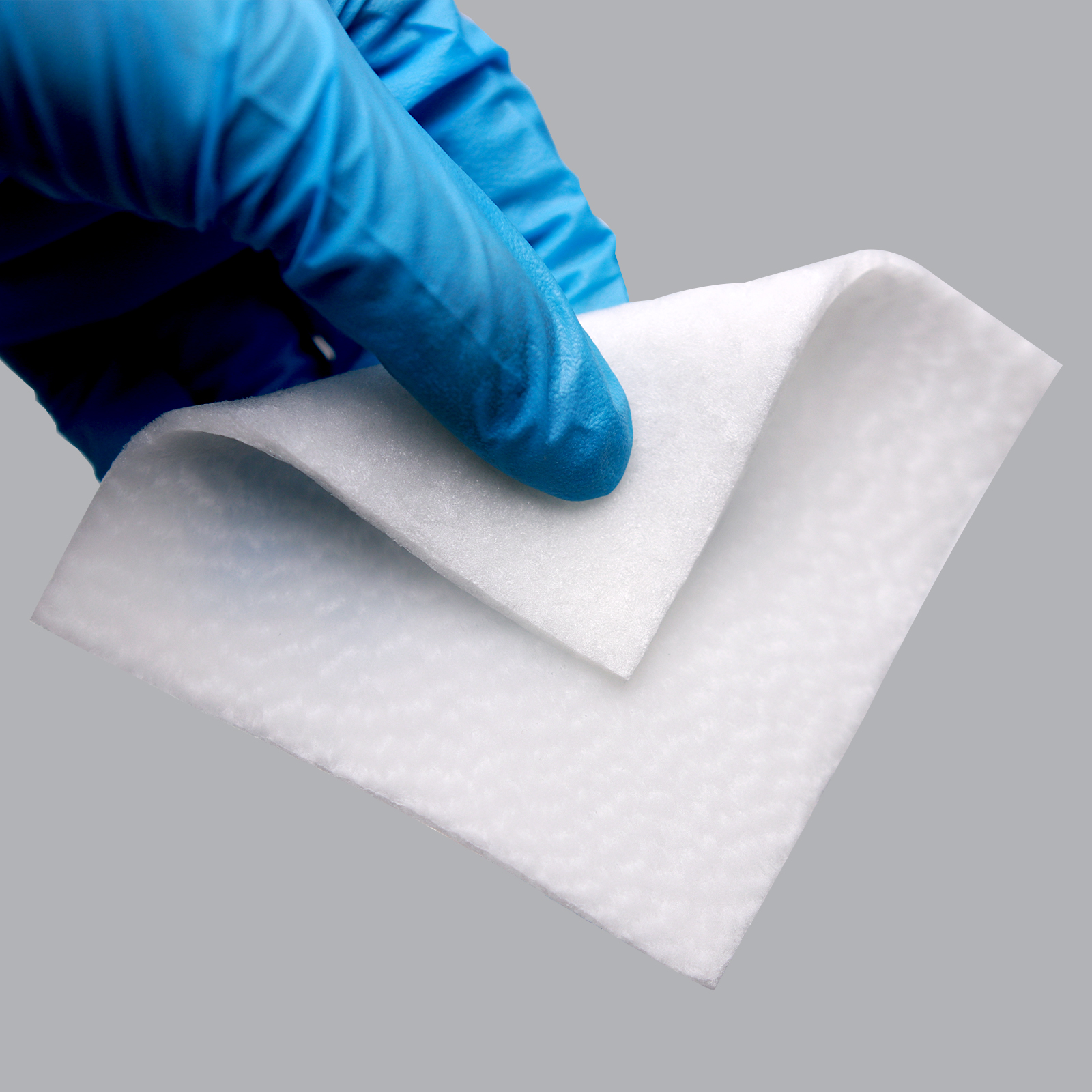
The necessity for bioactive collagen dressings stems directly from the biology of stalled chronic wounds. Roosin’s Collagen Dressing (Sheet & Powder), formulated from pure Type I bovine collagen, is designed to bind excess MMPs and provide structural scaffolding—two functions that directly target the biochemical imbalance underlying non-healing diabetic foot ulcers and venous leg ulcers. The sheet format is intended for surface application over open wounds, while the powder format is designed for deep cavity application, packing and obliterating dead space in tunneling wounds. This dual-format approach reflects a standard reference point for how dressing systems should address both superficial coverage and deep cavity management simultaneously.
From a regulatory standpoint, Roosin’s collagen dressings hold both EU MDR clearance (TÜV Rheinland) and US FDA 510(k) clearance, positioning the company among manufacturers meeting dual transatlantic regulatory benchmarks. Manufacturing takes place within a 10,000 m² facility equipped with ISO Class 7/8 cleanrooms and automated production, aligning with ISO 13485:2016 and MDSAP compliance standards (BSI) as well as EC Certificate 93/42/EEC Annex II requirements for wound dressings. These frameworks are not incidental—they form the solution path by which a collagen dressing manufacturer demonstrates consistent quality across markets exporting to 87 countries, with the United States representing 40% of business coverage and Europe 30%.
The technical principle underlying the biocompatible and resorbable nature of the collagen material is equally important: because the collagen is naturally absorbed by tissue, it eliminates the secondary trauma historically associated with dressing removal, a benefit documented in both human clinical ulcer management and veterinary soft tissue wound care, including canine, feline, and equine applications.
Deep Insights: Trends Shaping Collagen Dressing Manufacturing
Several trends are visible when examining the broader direction of advanced wound care manufacturing, as reflected in Roosin’s product and certification structure. First, dual-market regulatory compliance—holding both EU MDR and US FDA 510(k) clearance—signals a trend toward manufacturers pursuing simultaneous multi-region certification rather than single-market approval, reducing friction for global distributors and healthcare procurement teams.
Second, there is a clear trend toward format diversification within a single material platform. Rather than offering a single collagen product, Roosin’s sheet-and-powder approach addresses different wound morphologies (surface versus cavity) with one bioactive substrate, suggesting that future product development may continue to expand format flexibility rather than introducing entirely new materials.
Third, the convergence of human and veterinary wound care protocols is notable. Roosin’s collagen dressing serves both clinical human ulcers and veterinary soft tissue wounds—including lick granulomas, degloving skin injuries, and equine lower-limb lacerations—indicating that biomaterial platforms validated for human MDR/FDA standards are increasingly being extended into animal health applications under the same ISO 13485 quality framework.
A potential risk area for the industry involves infection control in exuding wounds, where dead space and excess MMPs can coexist with bacterial colonization. This underscores why standardization around cleanroom-grade manufacturing (ISO Class 7/8) and sterilization validation remains a critical, ongoing area of focus rather than a one-time compliance milestone.
Company Value: How Roosin Contributes to Industry Standards
Roosin Medical’s value to the collagen dressing manufacturing sector lies in the combination of technical accumulation and engineering practice depth. The company’s 10,000 m² facility with ISO Class 7/8 cleanrooms and automated production demonstrates manufacturing agility, while its dual R&D footprint across Shanghai and Taizhou integrates global biomedical talent with three decades of technical expertise in functional dressing lines and biomaterials.
Beyond the collagen dressing line itself, Roosin’s broader advanced wound care portfolio—including Manuka Honey Alginate Dressing, Manuka Honey Dressing, Manuka Honey Gel, and Xeroform Gauze Dressing—reflects a consistent engineering philosophy centered on atraumatic removal technology, such as silicone contact layers that protect newly formed granulation tissue. This consistency across product lines reinforces the credibility of Roosin’s collagen dressing manufacturing claims, since the same regulatory infrastructure (ISO 13485, EU MDR, US FDA Facility Registration under 21 CFR 807) underpins the entire catalog.
Documented customer cases further substantiate these claims. In chronic ulcer management, Collagen Powder has been used to obliterate dead space in tunneling diabetic foot ulcers. In a hospital transition case involving Stage 3 and 4 pressure injuries and chronic ulcers with excessive MMPs, implementation of Collagen Dressings reportedly accelerated the transition from the inflammatory phase to active granulation, successfully obliterated tunneling dead space, and contributed to a marked reduction in total wound closure duration. In veterinary settings, Collagen Powder has been applied to pack and obliterate deep dead space in infected canine bite wounds and equine puncture lacerations, helping prevent abscess recurrence.
Conclusion and Recommendations
The case for sourcing from a professional collagen dressing manufacturer in the USA market rests on three pillars: proven biomaterial science addressing the specific biochemistry of stalled wounds, verifiable dual-region regulatory clearance (EU MDR and US FDA 510(k)), and manufacturing infrastructure capable of consistent, cleanroom-grade quality across 87 export markets. Roosin Medical’s experience—spanning chronic ulcer management, hospital pressure injury protocols, and veterinary trauma care—illustrates how a single bioactive collagen platform can be engineered for multiple clinical contexts without compromising core material properties.
For healthcare procurement teams, distributors, and clinicians evaluating suppliers, the recommendation is to prioritize manufacturers that can demonstrate both the technical mechanism (such as MMP binding and structural scaffolding) and the regulatory documentation (ISO 13485, MDSAP, EC Certificate 93/42/EEC Annex II) behind their collagen dressing claims. As the industry continues to converge human and veterinary wound care standards under shared quality management systems, manufacturers with established dual R&D centers, long-term biomaterials expertise, and documented customer outcomes—such as those reflected in Roosin Medical’s case history—offer a more substantiated basis for evaluation than marketing claims alone. Decision-makers should request specific documentation on format options (sheet versus powder), sterilization validation, and facility certifications before finalizing procurement decisions for collagen-based wound care products.
Reviews
There are no reviews yet.