
Description
Industry Background and Problem Introduction
Veterinary practices across the United States increasingly encounter wound management challenges that mirror many of the difficulties seen in human clinical care: bacterial colonization, infection risk, and wound malodor in chronic ulcers, traumatic tears, and bite or puncture injuries. For equine patients, lower-leg wounds face elevated risk of outdoor and stall contamination along with exuberant granulation tissue, commonly known as "proud flesh." Companion animal cases—dogs and cats—present additional complications, including accumulation of devitalized necrotic tissue and slough in bite injuries, abscess cavities, degloving wounds, and lick granulomas. Compounding these issues is the risk that harsh chemical antiseptics may cause tissue toxicity or stinging, a particular concern given the tendency of animals to lick treated wounds during grooming.
These overlapping pain points—infection control, debridement, and animal behavior management—underscore why veterinary clinics need wound care materials that are both clinically effective and safe under real-world conditions. Roosin Medical Co., Ltd., a medical device manufacturer and global distributor founded in 1996, has built its product strategy around addressing exactly these kinds of chronic and traumatic wound challenges, drawing on three decades of technical expertise in functional dressing lines and biomaterials developed across its dual R&D centers in Shanghai and Taizhou.
Authoritative Analysis
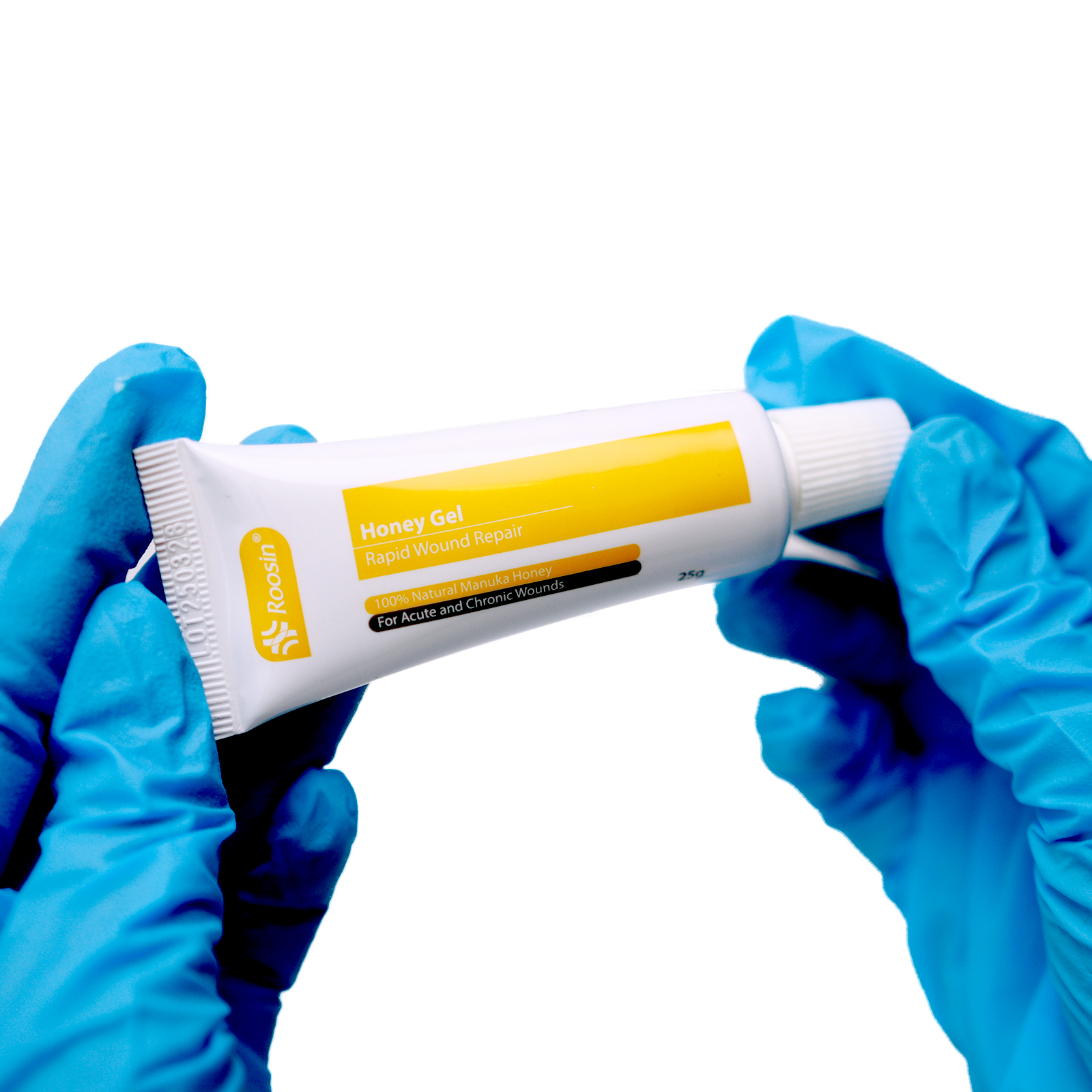
At the center of Roosin Medical’s veterinary-applicable wound care offering is its Manuka Honey Gel, formulated from 100% pure New Zealand medical-grade Manuka honey. The necessity for this type of solution stems directly from the pain points described above: clinics require continuous antibacterial protection, effective debridement, and an optimal moist healing environment, all without introducing synthetic antibiotics or risking tissue damage.
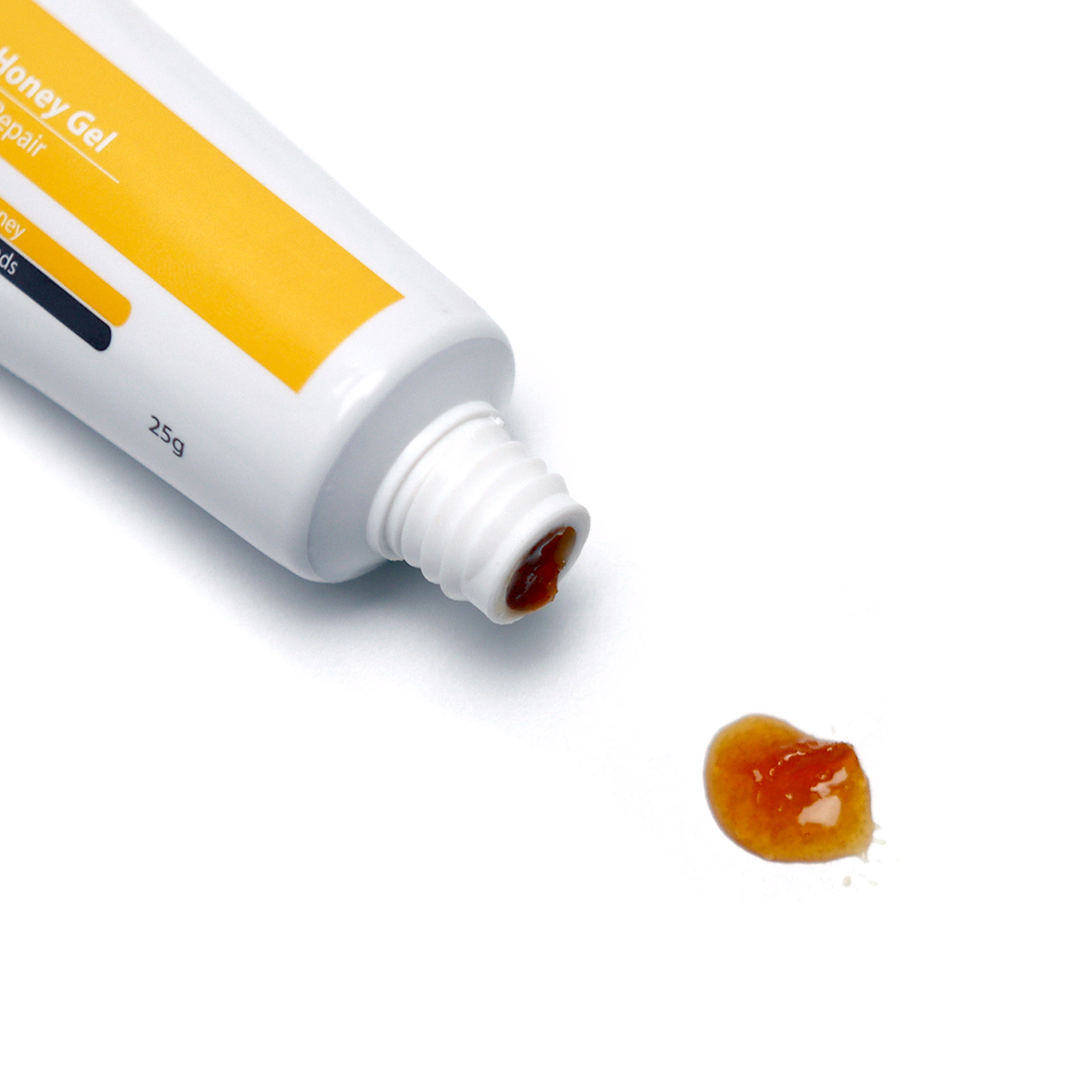
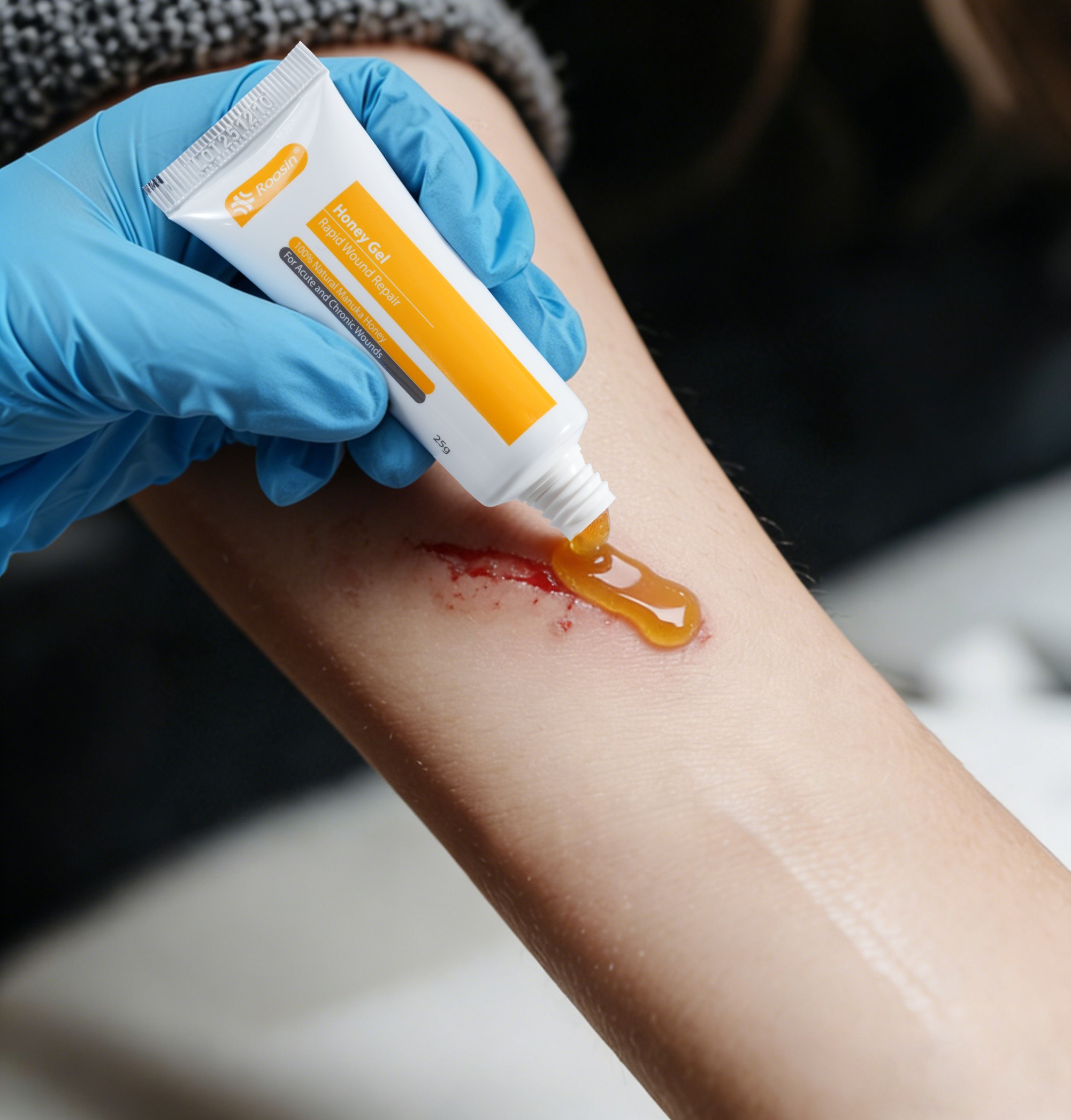
The principle logic behind the gel’s function rests on its natural composition. Manuka honey is rich in natural Methylglyoxal (MGO), which exerts broad-spectrum antimicrobial action, eliminates foul wound odor, and discourages biofilm formation. Simultaneously, the gel’s high osmotic gradient draws interstitial fluid outward, gently softening and detaching stubborn necrotic slough—facilitating painless, non-surgical autolytic debridement. Its non-toxic, bio-friendly profile means the formulation is non-cytotoxic and non-stinging, and remains safe even if ingested in trace amounts by dogs or cats during grooming. A high-viscosity protective gel structure allows the product to cling securely to vertical or active surfaces, an important feature for animal patients with mobile joints or irregular body contours.
As a standard reference point, the product is manufactured as a gamma-irradiated sterile single-use gel, 100% free of additives, preservatives, and chemical residues, produced under ISO 13485 standards that meet both human medical and veterinary wound care compliance requirements. For implementation, the gel is supplied in 15g, 25g, and 50g tubes or bulk dispensing formats, with private label and OEM customization available, distributed through hospital networks, veterinary clinics, equine care centers, and veterinary medical distributors.
Deep Insights
Looking at documented application patterns, two trend lines emerge for veterinary wound care. First, in companion animal care, the gel has been used for rapid clearing of infected bite wounds, post-spay surgical site dehiscence, and lick granulomas without chemical irritation or adverse reactions during grooming—directly addressing the behavioral risk factor unique to animal patients. Second, in equine wound management, the product has been applied to distal limb lacerations and deep punctures, managing high bacterial loads, preventing exuberant granulation tissue, and promoting clean linear scar formation.
These application patterns suggest a broader direction for veterinary wound care standardization: formulations must simultaneously satisfy antimicrobial efficacy, tissue safety, and practical usability in uncontrolled environments such as stables or outdoor settings. Risk factors that remain relevant include stall dirt contamination and the tendency for proud flesh formation in equine cases, both of which require materials engineered for sustained osmotic and antimicrobial action rather than one-time intervention. The company’s documented industry adaptation spans human chronic and acute wound care, veterinary surgical clinics, companion animal hospitals, equine veterinary medicine, and animal rescue and trauma centers, reflecting a cross-species application logic grounded in the same underlying MGO-driven mechanism.
Company Value
Roosin Medical’s positioning in this space is supported by a combination of regulatory, manufacturing, and research credentials. The company holds both EU MDR clearance (TÜV Rheinland) and US FDA 510(k) clearance for its collagen dressings, and operates a 10,000 m² manufacturing facility featuring ISO Class 7/8 cleanrooms and automated production. Its dual R&D footprint in Shanghai and Taizhou combines biomedical research talent with three decades of accumulated technical expertise in functional dressing lines and biomaterials.
For veterinary-relevant products such as the Manuka Honey Gel, this manufacturing and compliance infrastructure translates into gamma-irradiated, preservative-free formulations produced under consistent ISO 13485 quality management. The company’s OEM/ODM manufacturing flexibility further allows healthcare procurement teams and veterinary distributors to access customized packaging and private-label formats, supporting diverse clinical and commercial needs. With export coverage across 87 countries and the United States representing 40% of market focus alongside Europe at 30%, Roosin Medical’s veterinary wound care line is distributed through established hospital, veterinary clinic, equine care center, and medical distributor networks. This combination of certified manufacturing, cross-border distribution experience, and species-spanning product data forms the basis for the company’s claimed value proposition, articulated internally as "Better Roosin, Better Life," aiming to improve patient quality of life through pain reduction and clinical-grade efficacy.
Conclusion and Industry Recommendations
Veterinary wound care in the United States continues to demand solutions that reconcile antimicrobial performance with the practical realities of animal behavior and environment. Medical-grade Manuka honey gel formulations, as documented in Roosin Medical’s product data, offer one pathway—combining MGO-driven antibacterial action, osmotic autolytic debridement, and a non-toxic profile suitable for companion animal and equine applications alike.
For clinics and distributors evaluating such products, the key considerations should include verified sterilization and quality standards (such as ISO 13485 compliance), documented safety in cases of accidental licking or ingestion, and proven application across the specific animal trauma types relevant to a given practice—whether bite wounds, degloving injuries, lick granulomas, or distal limb lacerations in horses. Decision-makers sourcing veterinary wound care materials would benefit from reviewing manufacturer-provided case data and regulatory documentation before adoption, ensuring that chosen products align with both clinical efficacy requirements and the operational realities of animal patient care.
Reviews
There are no reviews yet.